
Ticks in Alabama
Ticks are more than a nuisance in Alabama — they carry real disease risk for people and pets. Here’s where they live in your yard and how to push them back.
How to identify ticks
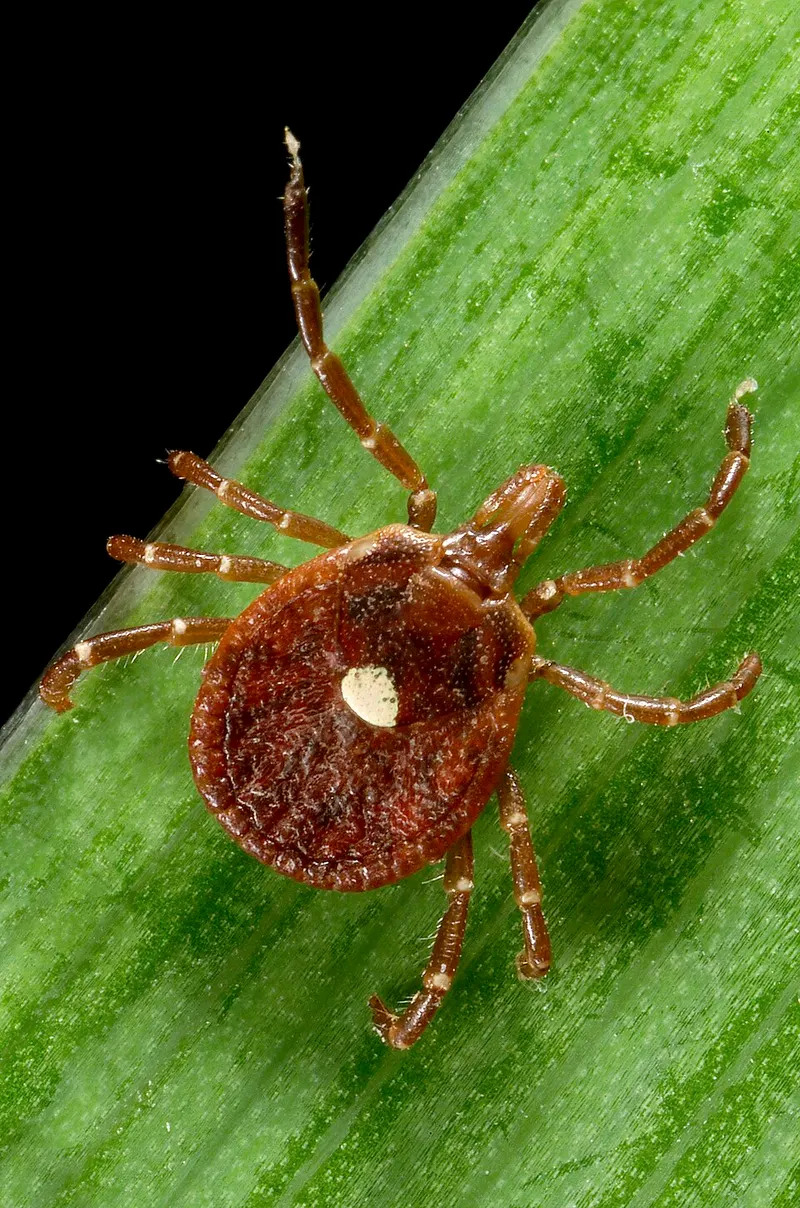
The lone star tick (a single white dot on the female’s back) is Alabama’s most common. American dog ticks are larger and brown; black-legged "deer" ticks are smaller and the primary Lyme-disease carrier. All have eight legs and a rounded body that swells when feeding.
Behavior in Alabama
Ticks "quest" — climbing tall grass and brush to latch onto a passing host. They concentrate at the wooded edges of a property, along trails, in leaf litter, and near where deer and rodents travel. Wooded and lakefront lots see the heaviest pressure.
Why ticks are a problem
Signs of ticks activity
- Ticks on people or pets after time outdoors
- Heaviest activity at wooded/brushy yard edges
- Concentrations along trails & leaf litter
- More common on wooded and lakefront lots
When they’re active
Active spring through fall in Alabama, with peak questing in the warm months — protection matters most when families and pets are outside.
How EnviroCare controls ticks
EnviroCare targets tick harborage — wooded edges, leaf litter, tall grass, and trail margins — with EPA-registered products applied per label, rather than blanketing the whole lawn. Tick control pairs with mosquito service and can be added to any visit.
See our Tick Control service →Common questions
Where do ticks live in my yard?
At the edges — where lawn meets woods, in leaf litter, tall grass, and along trails where deer and rodents travel. That’s where we focus treatment instead of the open lawn.
Can you treat ticks and mosquitoes together?
Yes — tick protection adds onto any mosquito visit, since both target shaded, humid yard harborage.
Dealing with ticks? Let’s handle it.
Family-owned in Alabama since 1958. Licensed technicians, EPA-registered products applied exactly as the label directs. Terms are confirmed in writing before service starts.