
Pest Activity in a Data Center: What Happens Next?
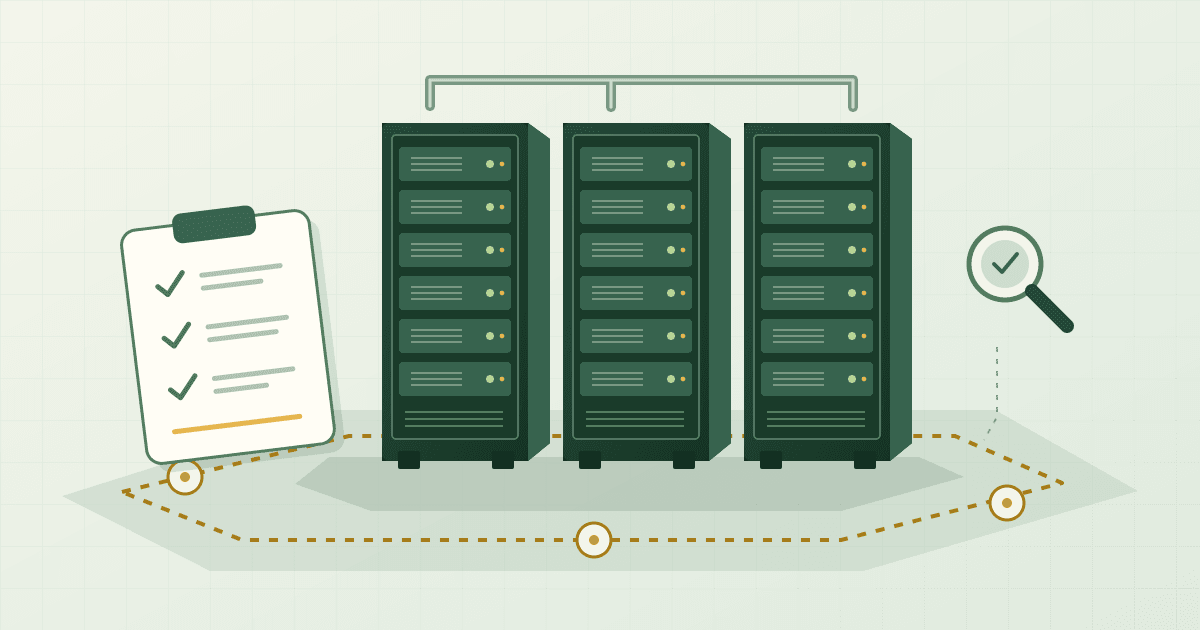
A practical response workflow: record evidence, notify the facility contact, obtain authorized inspection and track the corrective action without disturbing equipment.
When pest activity is reported in a data center, follow the facility's agreed notification and access process, record the location and evidence, and have the appropriate professional assess the next step. Do not improvise a treatment, open equipment or move monitoring devices while trying to solve the issue.
What information should the first report include?
Identify the location using the facility's approved references. Record when the activity was noticed, what was observed and whether the evidence is still present. A photo can help if facility policy permits it. Separate a confirmed insect or rodent identification from a description such as movement near a wall.
Send the observation to the contact specified in the site's plan. An employee should not have to guess whether a message belongs with security, facilities or the pest provider. The plan should identify that route before an incident occurs.
Who decides whether the finding needs escalation?
The facility's agreed thresholds and responsibilities should guide escalation. Location matters: evidence inside a critical room may prompt a different response from an exterior observation. The provider and authorized facility representative should assess the finding within those rules.
The EPA's IPM principles connect identification and monitoring with defined action thresholds. Applying that framework to a data center requires the site's own decisions; it does not create a standard response time or a universal trigger for every facility.
What should staff avoid doing?
- Do not apply a retail pesticide or move bait into a restricted room.
- Do not open equipment enclosures or disturb cabling to search for an animal.
- Do not relocate devices without updating their authorized locations and records.
- Do not publish photos or send sensitive floor plans outside approved channels.
- Do not treat a sighting as proof of the entry route before inspection.
If the observation involves damaged equipment or another operational hazard, use the facility's relevant incident process. A pest-control article cannot determine equipment condition or authorize electrical work.
How should the inspection be coordinated?
Arrange authorized access, the appropriate escort and any required permissions. The pest professional can evaluate accessible evidence, while facility personnel control access to restricted systems. If a suspected pathway crosses a building service penetration, the relevant trade should assess repair requirements.
Record any location that could not be inspected. A partial inspection may still be useful, but its limits should remain visible in the report. Do not replace an unavailable observation with a statement that the area is clear.
What makes a corrective action complete?
A useful action has an owner, an agreed next step and a way to verify completion. An exclusion repair may be complete after the authorized contractor finishes and the opening is checked. Monitoring for continued activity can remain a separate task. The two statuses should not be collapsed.
For example, evidence near a loading entrance could lead to inspection of door seals and receiving practices. A repaired seal does not prove that no animal remains inside; continued observation and the approved control plan address that separate question.
What should the team learn from the incident?
Review whether the reporting route worked, whether access caused delays and whether the same condition appeared in earlier reports. Improve the plan where the record supports a change. Avoid drawing a performance conclusion from one isolated count without examining inspection coverage and site conditions.
Use our service-report guide for documentation and the construction-handover checklist when the issue follows a project. The IPM planning guide connects the responsibilities.
EnviroCare Pest Services is a fourth-generation Alabama family business with offices in Birmingham, Alabaster, Huntsville and Alexander City. Local service. Since 1958. Discuss a site-specific program through our data center pest-control page. Inspection, access and any response commitments belong in the agreed scope.
No One Cares Like EnviroCare.
Ready to Schedule?
Call the EnviroCare office nearest you.