
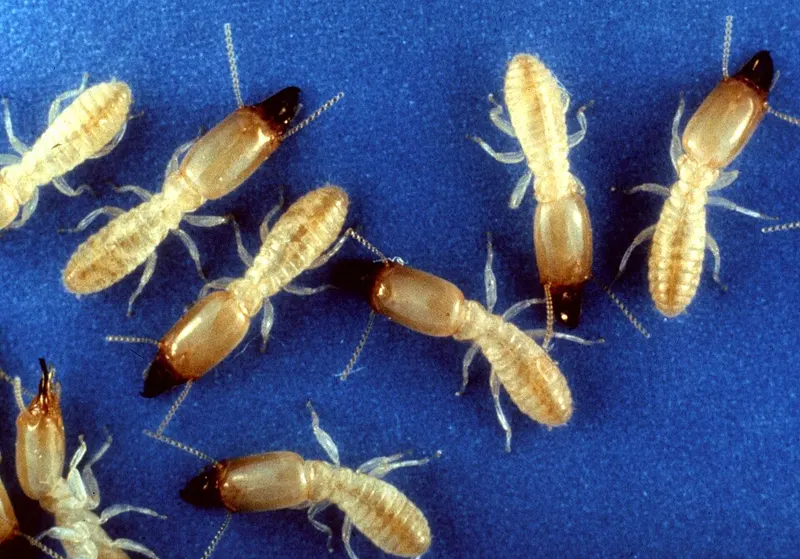
Formosan Termites in Alabama: Termite Species, Termite Swarms, and Pest Control Services
Alabama sits in one of the highest termite infestation probability zones in the United States, and the Formosan subterranean termite is the reason that risk keeps growing. While the Eastern subterranean termite has been the dominant termite species in Alabama homes for generations, the spread of Formosan termites northward from Mobile and Baldwin County along the interstates means Alabama homeowners now face two subterranean termite threats — one native, one introduced, both capable of causing serious structural damage.
Alabama sits in one of the highest termite infestation probability zones in the United States, and the Formosan subterranean termite is the reason that risk keeps growing. While the Eastern subterranean termite has been the dominant termite species in Alabama homes for generations, the spread of Formosan termites northward from Mobile and Baldwin County along the interstates means Alabama homeowners now face two subterranean termite threats — one native, one introduced, both capable of causing serious structural damage. Understanding which termite species are active in your area and what signs of termite activity look like is the first step toward protecting your home.
Termite species found in Alabama homes
Three termite species account for the large majority of termite damage in Alabama: the Eastern subterranean termite, the Formosan subterranean termite, and — less commonly — drywood termites along the coast. Each species behaves differently, causes damage at different rates, and requires a different approach to termite control.
The Eastern subterranean termite (Reticulitermes flavipes) is the most common termite in Alabama and the species responsible for the majority of termite damage in homes and buildings across Birmingham, Huntsville, and central Alabama. A mature Eastern subterranean termite colony holds a few hundred thousand termites. They live in the soil, build mud tubes to reach wood above ground, and require soil contact and moisture to survive. Eastern subterranean termite swarms happen on warm days in March through May, usually after rain, and the swarmers emerge during the day.
The Formosan subterranean termite is the introduced species that has changed the equation. A mature Formosan colony holds several million termites — ten times the size of a native colony — and the damage accumulates proportionally faster. Formosans also build carton nests, dense structures of chewed wood, soil, and saliva, inside walls and even in the upper floors of a building when a moisture source lets them survive away from the ground. Swarming Formosan termites emerge at dusk in late spring, often around exterior lights, and the swarmers are larger and yellowish-brown compared to the darker native species. Formosan termites eat a wider range of wood and materials than Eastern subterraneans, including live trees, boat docks, and utility poles.
Drywood termites do not require soil contact and live entirely inside the wood they infest. They are less common in Alabama than subterranean termites but have been found in coastal areas including Fairhope and Baldwin County. Drywood termites leave small piles of frass — dry, pellet-shaped droppings — below infested wood, which is often the first sign homeowners notice.
Where Formosan termites have been found in Alabama
Mobile and Baldwin County have had established Formosan termite populations for decades. The majority of Formosan termite activity in Alabama remains concentrated in the coastal counties, including Mobile, Baldwin, and surrounding areas. However, the spread of Formosan termites has followed transport corridors north — I-65 especially — because Formosans move in infested landscape timbers, railroad ties, and used lumber. There have been confirmed finds in the Montgomery area and scattered reports farther north, including Calhoun County.
The Alabama Cooperative Extension System has sponsored a Formosan termite watch program encouraging homeowners and pest control professionals to report Formosan termite activity to local extension agents or extension specialists at Auburn University. The program tracks the range and destructive behavior of Formosans as they move inland. In the Birmingham metro, the Lake Martin area, and the Tennessee Valley, the native Eastern subterranean termite remains overwhelmingly the species pest control technicians find — but an inspector who is not looking for Formosan signs will not find them, and we look.
When do termites swarm in Alabama?
Termite swarms are the most visible sign of termite activity, and they happen on a predictable schedule in Alabama and other warm, humid states. Knowing when termites swarm in Alabama helps homeowners recognize what they are seeing and act before the infestation grows.
Eastern subterranean termite swarms typically occur in March through May, usually on a warm day after rain when temperatures reach around 70°F. The swarmers — winged termites called reproductives — emerge during the day, often near doors and windows where light attracts them. A swarm indoors means the colony is already inside the structure or immediately beneath it. Eastern subterranean termite swarms earlier in the year, sometimes as early as late January in central Alabama, are not unusual during mild winters.
Swarming Formosan termites emerge later, typically May through June, and they swarm at dusk around exterior lights. A cloud of large, yellowish-brown winged termites around your porch light on a humid evening in late spring is the classic sign of Formosan termite activity in the area.
Drywood termite swarmers are smaller and appear in late summer and early fall. Both types of swarmers shed their four wings shortly after landing — piles of shed wings on windowsills, near doors and windows, or around light fixtures are a reliable sign of a recent swarm whether you saw the swarm itself or not.
Signs of termite activity in your Alabama home
Termites work hidden inside wood and behind walls, so visible signs of termite damage often appear only after the infestation has been active for months or years. Alabama homeowners should look for termites and termite evidence regularly, especially in crawl spaces, basements, garages, and anywhere wood contacts or approaches the soil.
- Mud tubes — pencil-width tunnels of soil running up foundation walls, piers, and pipes. Subterranean termites build these to travel between the soil and the wood they are eating. Break one open — if live termites are inside, the colony is active.
- Swarmers or shed wings — winged termites indoors, or piles of small translucent wings near doors and windows, are evidence of a colony inside or directly adjacent to the structure.
- Hollow or damaged wood — wood that sounds hollow when tapped, or that crumbles along the grain, indicates termites have been eating from the inside out. Subterranean termite damage follows the grain and is lined with mud.
- Blistered or bubbling paint — moisture from termite activity behind walls or in trim can cause paint to bubble or peel in ways that look like water damage.
- Frass — small piles of dry, pellet-shaped droppings below infested wood indicate drywood termites specifically.
- Sagging floors or sticking doors — structural damage from a long-term infestation can cause floors to sag and door frames to shift.
- Carton material — hardened, layered material that looks like dense dirt found inside a wall or behind trim is a Formosan-specific sign, indicating a carton nest inside the structure.
What termite damage looks like in detail, species aside, is in our termite damage signs guide.
Termite vs. ant: how to tell them apart
Termite swarmers and flying ants look similar enough that Alabama homeowners regularly confuse them — and it matters, because an ant swarm is a nuisance while a termite swarm is an emergency. Here is how to tell them apart:
- Waist — ants have a pinched, narrow waist. Termites have a broad, straight waist with no pinch.
- Antennae — ant antennae are elbowed. Termite antennae are straight and beaded.
- Wings — termites have four wings of equal length that break off easily. Ants have front wings longer than rear wings, and the wings stay attached.
- Body color — termite swarmers are pale to dark brown. Ant swarmers are typically darker, often black.
If you find a winged insect indoors and are not sure whether it is a termite or an ant, capture it or take a photo. A pest control technician can identify the species and determine whether a termite inspection is needed.
How to look for termites around your home
A professional termite inspection covers the structure thoroughly, but Alabama homeowners can look for termites themselves between inspections. Focus on areas where wood is close to or in contact with soil:
- Check foundation walls, piers, and the slab edge for mud tubes — use a flashlight in the crawl space and walk the full perimeter outside
- Tap exposed wood in the crawl space, basement, and garage with a screwdriver handle — hollow sound or easy penetration means damage
- Inspect where plumbing and utility lines enter the foundation for mud tubes or termite activity along the penetrations
- Look at doors and windows for shed wings, especially after a warm day with rain in spring
- Check stored wood, landscape timbers, and firewood near the house — these attract termites and serve as a bridge to the structure
- In spring, watch for swarms around your home, especially at dusk near exterior lights if you are in the Formosan range
Termite damage is often hidden, and the insects themselves avoid light and open air. Annual professional inspection catches what a visual check misses — probing wall voids, using moisture meters, and identifying early termite activity before it becomes structural damage.
How to prevent future termite problems in Alabama
Prevention reduces the conditions that attract termites and give them access to your home. These steps do not replace a professional termite control program, but they make one more effective and reduce the risk of a new infestation between inspections.
- Eliminate wood-to-soil contact — fence posts, deck supports, stair stringers, and siding should not touch the ground. Use concrete footings or metal post bases.
- Manage moisture around the foundation — fix grading that directs water toward the slab, keep gutters clear, and extend downspouts away from the foundation. Moisture is what subterranean termites need to reach the wood.
- Ventilate the crawl space — a damp crawl space with standing water is ideal termite habitat. Proper ventilation and vapor barriers reduce moisture and termite pressure.
- Move firewood, landscape timbers, and stored lumber away from the structure — stacking wood against the house brings termites to your walls.
- Do not bring salvaged lumber or used railroad ties onto the property without inspection — this is how Formosan termites move from the coast inland.
- Seal cracks in the foundation and around utility penetrations — termites need only a gap the width of a credit card to enter.
- Get an annual termite inspection — even if you see no signs, a trained inspector with tools catches early termite activity that a visual check cannot.
Termite inspection and pest control services for Alabama homeowners
Professional termite control in Alabama starts with a thorough inspection — the foundation, crawl space, slab edge, garage, and every area where wood approaches soil contact. A pest management technician identifies the termite species, locates active termite activity and damage, and recommends the right control methods for the situation.
In-ground bait systems like Sentricon® Always Active™ work on both Formosan and Eastern subterranean termite colonies the same way — foragers carry the bait back to the colony, and the colony is eliminated from the inside. The monitoring schedule is what catches a new colony early, and the annual inspection that comes with the control program is as important as the treatment itself. For homes and buildings with active infestations, the termite and pest control plan is customized to the species and the extent of the damage.
What changes with Formosans is the stakes of skipping the annual inspection: with a colony that size, a year of unnoticed termite activity is a much larger repair. It also raises the value of not bringing infested material onto the property — used railroad ties, landscape timbers of unknown origin, and salvaged lumber from the coast.
Termite work at EnviroCare is priced after the inspection, never over the phone, and qualifying homes carry up to $1,000,000 in EnviroCare damage repair coverage, subject to the terms of the agreement. A free WDO inspection is the first step toward protecting your home from Alabama's termite pressure.
Frequently asked questions about termites in Alabama
How bad are termites in Alabama?
Alabama ranks among the states with the worst termite problems in the country. The warm, humid climate, long swarm season from March through May, and high termite infestation probability make Alabama one of the most active termite states. Both the native Eastern subterranean termite and the introduced Formosan subterranean termite are established here. Termite damage costs Alabama homeowners millions of dollars annually, and most homeowner insurance does not cover termite damage because it is considered preventable with proper termite control.
How do you tell if termites are active in your house?
The most reliable signs of active termite activity are fresh mud tubes on the foundation walls — break one open and look for live termites inside. Swarmers or shed wings indoors confirm an active colony in or immediately adjacent to the structure. Wood that sounds hollow when tapped, blistered paint over trim, and sagging or soft spots in flooring are signs of ongoing damage. If you see any of these, schedule a termite inspection promptly — termites usually cause significant damage before the visible signs appear.
Are Formosan termites in Alabama?
Yes. Formosan subterranean termites are established in Mobile and Baldwin County and have been detected moving inland along I-65 and other transport corridors. The majority of Formosan termite activity in Alabama remains in the coastal counties, but confirmed finds have occurred in Montgomery and farther north. The Alabama Cooperative Extension System tracks the spread of Formosan termites through its Formosan termite watch program.
Which state has the worst termite problem?
Alabama, Mississippi, Louisiana, Florida, Georgia, and Texas consistently rank as the states with the highest termite pressure. Alabama's combination of warm temperatures, humidity, heavy rainfall, and both native and Formosan termite populations makes it one of the most challenging states for termite control. The USDA termite infestation probability map places nearly all of Alabama in the highest-risk zone.
Which smell do termites hate?
There is no scientifically proven scent that reliably repels termites from a structure. Some homeowners try cedar, orange oil, or essential oils, but none provide effective termite control against subterranean termites that approach from underground through the soil. Effective control methods include in-ground bait systems, liquid soil treatments, and professional monitoring — not scent-based products. Protect your home with proven termite control, not DIY repellents.
Termite control services in Birmingham, Huntsville, and across Alabama
EnviroCare Pest Services — family-owned since 1958, fourth generation — provides termite inspection, termite and pest control, and full pest management across central and north Alabama. Whether you are seeing swarmers, finding mud tubes, or just want to protect your home before termite season, a free WDO inspection is the first step. We identify the termite species, assess the damage, and recommend the right control program for your home.
Call the office nearest you — Birmingham (205) 991-2882, Alabaster (205) 940-6360, Lake Martin / Alex City (256) 234-6162, or Huntsville (256) 937-7676 — or request a free quote online.
No One Cares Like EnviroCare.
Ready to Schedule?
Call the EnviroCare office nearest you.